Basement Renovation Contractors in Niagara Falls

  • Quotes from reviewed local contractors - compare and choose
  • Reviewed Ontario contractors
  • Free for homeowners, no obligation
Get Free Quotes

Get Free Quotes in Niagara Falls

Free for homeowners · No obligation

Reviewed Ontario Contractors Reviewed for licensing and insurance where required
Matched Quotes Compare contractors before you commit
Free for Homeowners No fees, no obligation, just quotes

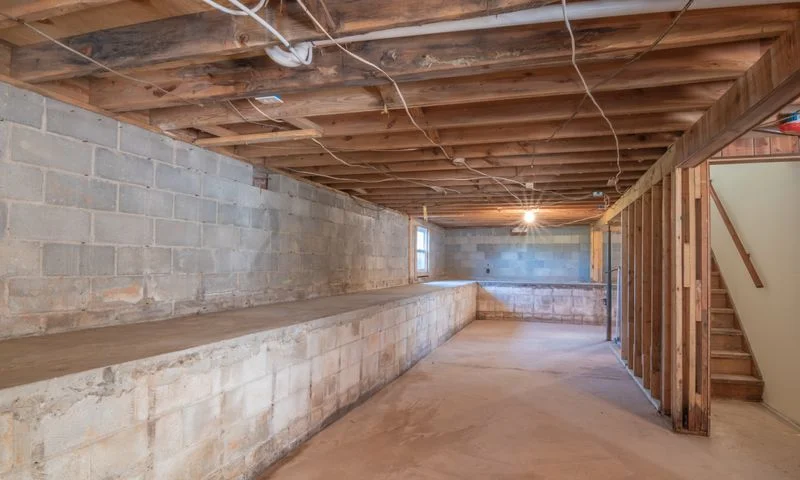
Basement renovations in Niagara Falls - including finishing, secondary suite creation, underpinning, and waterproofing - require building permits from the City of Niagara Falls Building Department. Niagara Falls is a lower-tier municipality within the Niagara Region; building permits for properties within city limits are issued by the City of Niagara Falls, not the Niagara Region. Secondary suite conversions involving structural, plumbing, or electrical changes trigger building, plumbing, and ESA electrical permits that must all be coordinated before work begins. Properties within or adjacent to the Niagara Peninsula Conservation Authority's (NPCA) regulated areas - including land near the Niagara River gorge and ravines on the city's eastern edge, Chippawa Creek (the Welland River) in the south near the Chippawa neighbourhood, and Lyons Creek in the southeast - may require an NPCA permit for exterior excavation or foundation drainage work before the City of Niagara Falls will issue a building permit; property owners in the L2E FSA near the gorge rim and in areas bordering Chippawa Creek should confirm regulated area status using the NPCA's online mapping resources at the pre-design stage. Niagara Falls' housing stock spans several distinct eras and reflects the city's unique tourism-adjacent economy. The older residential areas near the downtown tourist corridor - particularly properties in the L2E FSA on and around Queen Street, Victoria Avenue, and the streets between the tourist strip and the gorge - include pre-war homes from the early 1900s, some with rubble-stone or brick foundations and limited headroom requiring careful assessment before finishing or underpinning; many of these properties were converted to multi-unit rental housing over the decades to serve the tourism-worker economy, and uninspected alterations from multiple eras are common. Underpinning in stone or brick-foundation properties is a specialized structural exercise requiring a structural engineer's review before the City of Niagara Falls will issue a building permit. The Stamford district in the L2G FSA developed primarily in the 1950s through the 1960s with poured-concrete and concrete-block foundations generally amenable to finishing, though cast-iron drain stacks from this era frequently require camera inspection and may need partial replacement before a basement renovation. Older residential areas in the L2J FSA (Drummond Road and Montrose Road corridors) share similar 1940s through 1960s construction characteristics. Newer suburban development in the L2H FSA from the 1980s through the 2000s has modern poured-concrete foundations well-suited to finishing and secondary suite conversion. Pre-1980 homes across all Niagara Falls neighbourhoods may contain asbestos in floor tile adhesive, pipe insulation, or linoleum underlayment; professional testing and licensed abatement are required before disturbance. We'll connect you with reviewed local contractors.

Ready to get quotes for your Basement Renovation in Niagara Falls?

Free for homeowners · No obligation · Reviewed local contractors
Get Free Quotes

How to Hire a Basement Renovation Contractor in Niagara Falls

  1. Describe your basement project

    Tell us whether you're finishing a basement, creating a secondary suite, addressing waterproofing, or underpinning - plus your Niagara Falls neighbourhood or FSA (L2E, L2G, L2H, or L2J), your home's age and foundation type, and whether the space was previously used as a rental. Note any water infiltration, low headroom, proximity to the Niagara River gorge, or proximity to Chippawa Creek or other NPCA-regulated waterways.

  2. Receive three matched quotes

    Reviewed local contractors will reach out to you with quotes.

  3. Verify credentials and hazardous material plan

    Confirm WSIB clearance and general liability insurance. For pre-1980 homes across any Niagara Falls neighbourhood, ask each contractor how they plan to identify and handle asbestos-containing materials before finalizing demolition scope.

  4. Confirm permits, drainage assessment, and NPCA status

    Your contractor must pull all required City of Niagara Falls building, plumbing, and ESA electrical permits. For properties near the Niagara River gorge, Chippawa Creek, or other NPCA-regulated waterways, confirm NPCA permit responsibility. For older L2E or L2J properties requiring underpinning, confirm structural engineer involvement and sealed drawing requirements. Get permits, scope, and warranties in writing before signing.

Frequently Asked Questions

Do basement renovations in Niagara Falls need a permit?

Yes. Basement finishing that includes new partition walls, plumbing rough-ins, electrical work, or secondary suite creation requires building, plumbing, and ESA electrical permits from the City of Niagara Falls Building Department. Your contractor should manage the full permit package before work begins. Work done without permits can void home insurance, complicate future sales, and result in costly remediation orders.

My older Niagara Falls home is near the gorge or downtown tourist corridor - does that affect my basement project?

Potentially yes, in two ways. First, properties in the L2E FSA near the Niagara River gorge rim may fall within NPCA-regulated land; exterior excavation for foundation drainage or waterproofing may require an NPCA permit before the City of Niagara Falls will issue a building permit. Second, pre-war homes near the downtown tourist corridor often have rubble-stone or brick foundations with limited headroom - underpinning is a specialized structural exercise requiring a structural engineer's review and sealed drawings before permits will be issued. Many of these properties were also converted to multi-unit use over the decades, with layered plumbing and electrical rough-ins from different eras.

When does an NPCA permit apply to a Niagara Falls basement renovation?

The Niagara Peninsula Conservation Authority regulates land adjacent to the Niagara River and its gorge, Chippawa Creek (the Welland River) in the south, Lyons Creek in the southeast, and other regulated waterways throughout Niagara Falls. If your property is within or near an NPCA-regulated area, exterior excavation or foundation drainage work associated with a basement renovation may require an NPCA permit before the City of Niagara Falls will issue a building permit. Confirm regulated area status using the NPCA's online mapping tools at the pre-design stage.

What should I look for in a Niagara Falls basement renovation contractor?

Verify a minimum $2M general liability policy, active WSIB clearance, and experience managing the full City of Niagara Falls permit package - building, plumbing, and ESA electrical. For secondary suites, confirm the contractor understands Ontario Building Code fire separation requirements and egress window standards. For older L2E or L2J properties with stone or brick foundations, ask about underpinning experience and whether a structural engineer's review is included. For properties near the Niagara River gorge or Chippawa Creek, ask about NPCA permit responsibility. For pre-1980 homes, confirm the contractor's plan for asbestos testing and abatement.

Sources

contractor.ca is not a government program and is not affiliated with Enbridge Gas, the IESO, or the Government of Canada. Rebate eligibility depends on your specific home, utility, and the program requirements at time of application. Always verify current amounts and eligibility directly at the official program website before starting work.

Get free quotes for other projects

Reviewed contractors for every home project. Free for homeowners.