Get Free Quotes in Brantford
We'll review your request and send you options that fit your project.
Basement renovations in Brantford - including finishing, secondary suite creation, underpinning, and waterproofing - require building permits from the City of Brantford Building Services. Brantford is a single-tier separated city; building permits and construction inspections for properties within city limits are issued by the City of Brantford, not by Brant County. Secondary suite conversions involving structural, plumbing, or electrical changes trigger building, plumbing, and ESA electrical permits that must all be coordinated before work begins. Properties within or adjacent to the Grand River Conservation Authority's (GRCA) regulated area may require a GRCA permit for exterior excavation or foundation drainage work before the City of Brantford will issue a building permit; the Grand River flows through downtown Brantford and the GRCA's regulated corridors extend along the river and through several residential neighbourhoods in the N3R and N3S FSAs - property owners should confirm regulated area status at the pre-design stage. Brantford's housing stock reflects several distinct eras of construction. The older downtown core - Victorian and Edwardian residential properties in the N3R and N3S FSAs from the late 1800s through the 1910s - frequently have rubble-stone or brick foundations with limited headroom and moisture characteristics distinct from poured-concrete construction; underpinning in stone-foundation properties is a specialized structural exercise requiring a structural engineer's review before the City of Brantford Building Services will issue a permit. Many older core properties were converted to multi-unit rental housing, compounding basement conditions with plumbing rough-ins from multiple eras and uninspected alterations. Post-war Brantford properties from the 1940s through the 1960s - concentrated in the North End, East End, and Terrace Hill neighbourhoods - typically have poured-concrete or concrete-block foundations that are more amenable to finishing, though cast-iron drain stacks from this era frequently require inspection and may need partial replacement before a basement renovation. Newer growth areas in Henderson Survey, West Brant, and Brier Park (N3P, N3V) developed from the 1970s through the 2000s have modern poured-concrete foundations well-suited to finishing and secondary suite conversion, with growing demand driven by multi-generational living and rental income goals. Pre-1980 homes across all Brantford neighbourhoods may contain asbestos in floor tile adhesive, pipe insulation, or linoleum underlayment; professional testing and licensed abatement are required before disturbance. We'll connect you with reviewed local contractors.
Ready to get quotes for your Basement Renovation in Brantford?
Free for homeowners · No obligation · Reviewed local contractorsTell us whether you're finishing a basement, creating a secondary suite, addressing waterproofing, or underpinning - plus your Brantford neighbourhood or FSA (N3R, N3S, N3T, N3P, or N3V), your home's age and foundation type, and whether the space was previously used as a rental. Note any water infiltration, low headroom, or proximity to the Grand River corridor.
Reviewed local contractors will reach out to you with quotes.
Confirm WSIB clearance and general liability insurance. For pre-1980 homes across any Brantford neighbourhood, ask each contractor how they plan to identify and handle asbestos-containing materials before finalizing demolition scope.
Your contractor must pull all required City of Brantford building, plumbing, and ESA electrical permits. For properties near the Grand River corridor, confirm GRCA permit responsibility. For older downtown properties requiring underpinning, confirm structural engineer involvement and sealed drawing requirements. Get permits, scope, and warranties in writing before signing.
Yes. Basement finishing that includes new partition walls, plumbing rough-ins, electrical work, or secondary suite creation requires building, plumbing, and ESA electrical permits from the City of Brantford Building Services. Your contractor should manage the full permit package before work begins. Work done without permits can void home insurance, complicate future sales, and result in costly remediation orders.
Yes. Properties in the N3R and N3S FSAs from the Victorian and Edwardian era - built from the late 1800s through the 1910s - commonly have rubble-stone or brick foundations with limited headroom and moisture management challenges distinct from poured-concrete construction. Underpinning to gain headroom is a specialized structural exercise requiring a structural engineer's review; the City of Brantford Building Services will typically require sealed structural drawings before issuing a building permit for underpinning in stone or brick-foundation homes. Moisture intrusion through masonry is also common and must be addressed before interior finishing begins.
The Grand River flows through downtown Brantford and the GRCA regulates land in and adjacent to the river corridor. If your property is within or near a GRCA regulated area, exterior excavation or foundation drainage work associated with a basement renovation may require a GRCA permit before the City of Brantford will issue a building permit. The GRCA permit must typically be obtained first. Confirm regulated area status at the pre-design stage using the GRCA's online mapping tools.
Verify a minimum $2M general liability policy, active WSIB clearance, and experience managing the full City of Brantford permit package - building, plumbing, and ESA electrical. For secondary suites, confirm the contractor understands Brantford's zoning, Ontario Building Code fire separation requirements, and egress window standards. For older downtown Brantford properties with stone or brick foundations, ask specifically about underpinning experience and whether a structural engineer's review is included. For properties near the Grand River corridor, ask about GRCA permit responsibility.
Basement finishing, secondary suite creation, structural alterations, and associated plumbing or electrical work in Brantford require a building permit from the City of Brantford Building Services; the City of Brantford (not Brant County) is the building authority for all properties within city limits
Brantford properties in or adjacent to GRCA regulated areas along the Grand River may require a GRCA permit for exterior excavation or foundation drainage work associated with a basement renovation; confirm regulated area status before finalizing scope
Electrical work in a Brantford basement renovation - new circuits, panel upgrades, secondary suite service separation - requires an ESA permit filed by a licensed electrical contractor
Reviewed contractors for every home project. Free for homeowners.
HVAC / Heat Pump
Cold-climate heat pumps, dual-fuel systems, and full HVAC installation
See details
Roofing
Asphalt shingle replacement, flat roofing, and emergency repairs
See details
Plumbing
Pipe repairs, water heaters, drains, and bathroom plumbing
See details
Electrical
Panel upgrades, EV chargers, wiring, and ESA-permitted work
See details
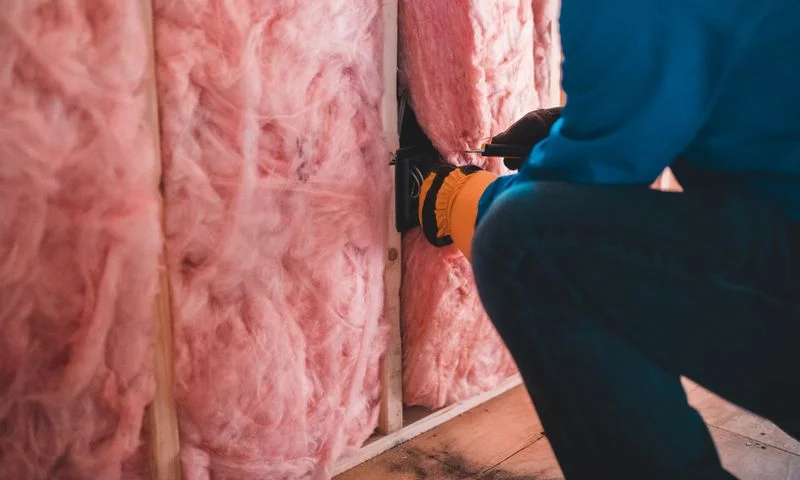
Insulation
Attic and wall insulation upgrades - rebates up to $1,250 available
See details
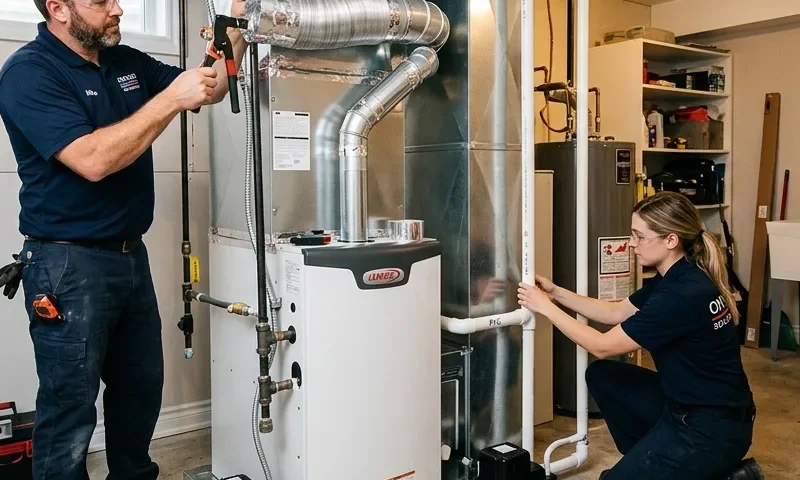
Furnace & AC
Gas furnace replacement, high-efficiency upgrades, and central AC installation
See details
Kitchen & Bathroom
Full kitchen and bathroom renovations by reviewed contractors
See details
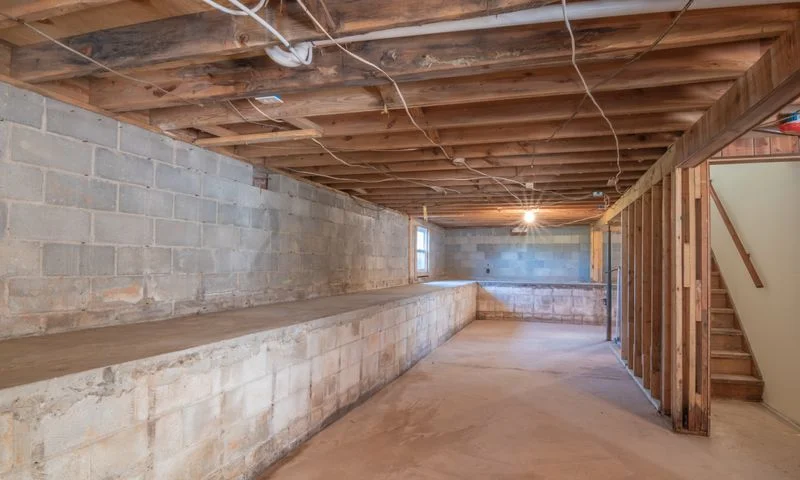
Basement Finishing
Basement development, framing, drywall, flooring, and waterproofing
See details